
Coffee is more than just a beverage; for many, it’s a ritual, a comfort, and a source of inspiration. Whether you’re a seasoned coffee enthusiast or just starting your journey, crafting the perfect cup at home can be incredibly rewarding. With a few expert tips and tricks, you can elevate your coffee game and enjoy café-quality brews every day. Here’s everything you need to know to get started.
1. Start with Fresh, High-Quality Beans
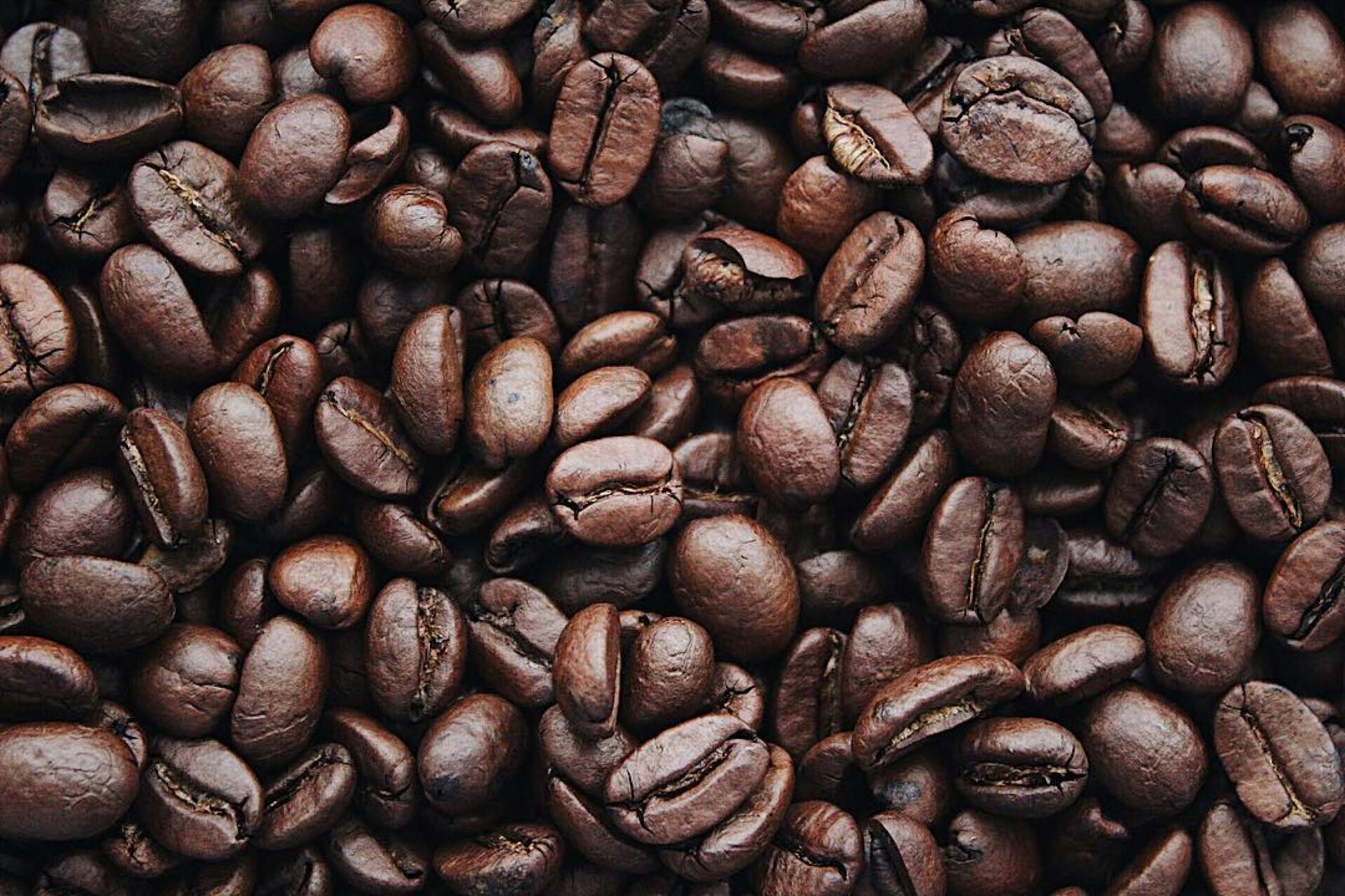
Great coffee starts with great beans. You should try to opt for whole beans instead of pre-ground, as they retain their flavor longer. Look for freshly roasted coffee from reputable roasters and pay attention to the roast date. Generally, beans are best used within two to three weeks of roasting for optimal flavor.
Also, choose beans that match your taste preferences. Light roasts tend to be brighter and more acidic, while dark roasts offer bolder, smokier flavors.

My coffee of choice for beginners is Stumptown Coffee Roasters. Founded in Portland, Stumptown offers a range of flavorful ground and whole-bean options, along with convenient bottled cold brews. With a regularly rotating selection of beans, Stumptown keeps things fresh and exciting. While it may cost more than typical supermarket brands, each sip reflects the care and craftsmanship behind it.
Espresso Beans vs Coffee Beans
1. The Beans Themselves
Espresso beans aren’t a different type of bean. Both espresso and regular coffee typically use the same beans—Arabica or Robusta. The difference lies in how they’re roasted, ground, and brewed.
2. Roast Level
- Espresso beans are usually dark roasted. This gives them a bold, rich flavor and helps them withstand the high-pressure brewing process of espresso machines.
- Coffee beans (for drip, pour-over, etc.) can be light, medium, or dark roasted. The roast depends on your brewing method and flavor preference.
3. Grind Size
- Espresso requires a very fine grind—almost powdery—because it’s brewed quickly under pressure.
- Regular coffee needs a coarser grind, depending on your method (e.g., medium grind for drip, coarse grind for French press).
4. Brewing Method
- Espresso beans are meant for use in espresso machines, where water is forced through finely-ground coffee at high pressure.
- Coffee beans are brewed more slowly using methods like drip coffee makers, pour-overs, or French press.
5. Flavor Profile
- Espresso is typically stronger, more concentrated, and has a thicker body.
- Regular coffee is usually lighter, with more room for subtle flavor notes depending on the roast and brewing method.
2. Store Your Beans Properly
To preserve freshness, store coffee beans in an airtight container away from light, heat, and moisture. Avoid keeping them in the fridge or freezer, as condensation can degrade the flavor. A cool, dark pantry is usually the best spot.
3. Grind Just Before Brewing
Grinding your coffee just before brewing ensures maximum freshness and flavor. Use a burr grinder for a consistent grind size, which is crucial for even extraction. Blade grinders can be inconsistent and lead to uneven brewing.
Match your grind size to your brewing method:
- Coarse grind: French press
- Medium grind: Drip coffee makers
- Fine grind: Espresso machines
- Extra fine: Turkish coffee

There is also the option to choose a manual hand cranking grinder like PARACITY’s manual cranking grinder. It all depends how much physical work and money you want to put into making a fresh cup of coffee at home. You can find plenty of cheap electric options like Amazon Best’s basic coffee grinder, but it will still get the job done. You could even use a mortar and pestle, if you wanted to be a savage (although the grind won’t be consistent).
If you’re interested in more dynamic options, increasing your price limit will open the door to many advanced choices. The Rollingsurfer manual grinder can create different grind sizes with it’s adjustable selector. Similarly, this electric OXO Grinder also allows you to select the different grind settings, for your specific brew style.
4. Use Clean, Filtered Water
Water makes up over 98% of your cup, so using clean, filtered water is essential. Avoid distilled or softened water, as they can negatively affect taste. Ideally, your water should have a neutral pH and be free of strong odors or flavors.
5. Get the Ratio Right
The coffee-to-water ratio significantly influences the final taste. A common guideline is 1 to 2 tablespoons of coffee per 6 ounces of water. Adjust according to your taste preferences.
For precision, consider using a digital scale. A standard starting point is 1:15 or 1:16 ratio (1 gram of coffee to 15-16 grams of water).
6. Control Your Brewing Temperature
Water that’s too hot can burn the coffee, while water that’s too cool can under-extract it. The ideal brewing temperature is between 195°F and 205°F (90°C to 96°C). A thermometer can help, or simply let boiling water sit for 30 seconds before pouring.
7. Choose the Right Brewing Method
There are several methods to brew coffee, and each offers unique flavor profiles:

French Press: Rich and Full-Bodied
The French press uses immersion brewing, where coffee grounds steep in hot water before being separated by a plunger. This method allows more of the coffee’s natural oils and fine particles to remain in the brew, resulting in a thick, bold, and full-bodied flavor. It’s ideal for those who love a strong, textured cup with depth.
- French Press: Cafe Du Chateau
- Budget-friendly: Bayka
- Big Spender: ESPRO P7
Pour-Over (e.g., Chemex or Hario V60): Clean and Bright
Pour-over methods offer precision and control. Hot water is slowly poured over coffee grounds in a filter, allowing for even extraction. This technique produces a clean, crisp cup with bright acidity and well-defined flavor notes, making it a favorite for highlighting single-origin beans.
AeroPress: Versatile and Smooth
The AeroPress is a hybrid brewing tool that combines elements of immersion and pressure brewing. It’s quick, portable, and can create a range of coffee profiles from espresso-like shots to mellow, smooth brews, depending on grind size and steep time. It’s especially loved for its low bitterness and quick cleanup.
- Coffee Press: Aeropress Original Coffee Press
- Travel-Friendly: Aeropress Go
Espresso Machine: Strong and Concentrated
Espresso is made by forcing hot water through finely-ground coffee under high pressure. This results in a small, concentrated shot with a rich crema and bold flavor. It’s the foundation for popular drinks like lattes, cappuccinos, and americanos. Espresso brewing requires precision but delivers intense and complex results.
- Espresso Machine: iLavie Espresso Maker
- Budget-Friendly: IMUSA
- Big Spender: HIBREW H10A
Drip Coffee Maker: Convenient and Consistent
Automatic drip coffee makers are staples in many homes and offices. Water is heated and evenly dripped over a basket of grounds. This method produces a smooth, balanced cup with moderate strength, and is prized for its convenience, ease of use, and ability to make multiple cups at once.
- Coffee Maker: Ninja Coffee Maker
- Budget-Friendly: Black & Decker Coffee Maker
- Big Spender: Ninja Hot & Iced Coffee Maker
Cold Brew: Smooth and Low-Acid
Cold brew is made by steeping coarse coffee grounds in cold water for 12–24 hours. The long extraction time at a low temperature results in a smooth, mellow drink with naturally lower acidity. It’s served cold and is popular for its refreshing taste and gentle impact on the stomach.
Experiment with different methods to find the one that suits your taste and lifestyle.
8. Perfect Your Technique
Even with the best equipment, technique matters. For pour-over and French press, pour the water in a circular motion to ensure even saturation. Bloom your coffee (wetting the grounds and waiting 30 seconds) to release carbon dioxide and enhance flavor extraction.
For espresso, make sure your tamping pressure is consistent and your grind is fine enough to provide resistance during extraction.
9. Maintain Your Equipment
You don’t need to have the best tools or equipment to make the perfect cup of coffee, but you do need to maintain your equipment. Clean equipment ensures better-tasting coffee. Residue and oils can go rancid and affect flavor. Rinse your gear daily and deep-clean weekly. Descale your machines regularly to remove mineral buildup.
10. Customize Your Brew

Once you’ve mastered the basics, start experimenting. Try single-origin beans, adjust grind size and ratios, or explore flavor notes like chocolate, fruit, or nuts. You can also try adding spices like cinnamon or cardamom, or alternative milks and sweeteners. The whole idea is to make “your” perfect cup of coffee, so experiment with different spices and beans until you find what you are looking for.
Final Thoughts
Crafting the perfect cup of coffee is part art, part science. By focusing on quality ingredients, proper technique, and a little experimentation, you can turn your daily brew into a personal masterpiece. With time and practice, you might find that your home brew rivals your favorite café—or even surpasses it. Let us know if you want to learn more about the process, or the tools needed.
Leave a Reply