
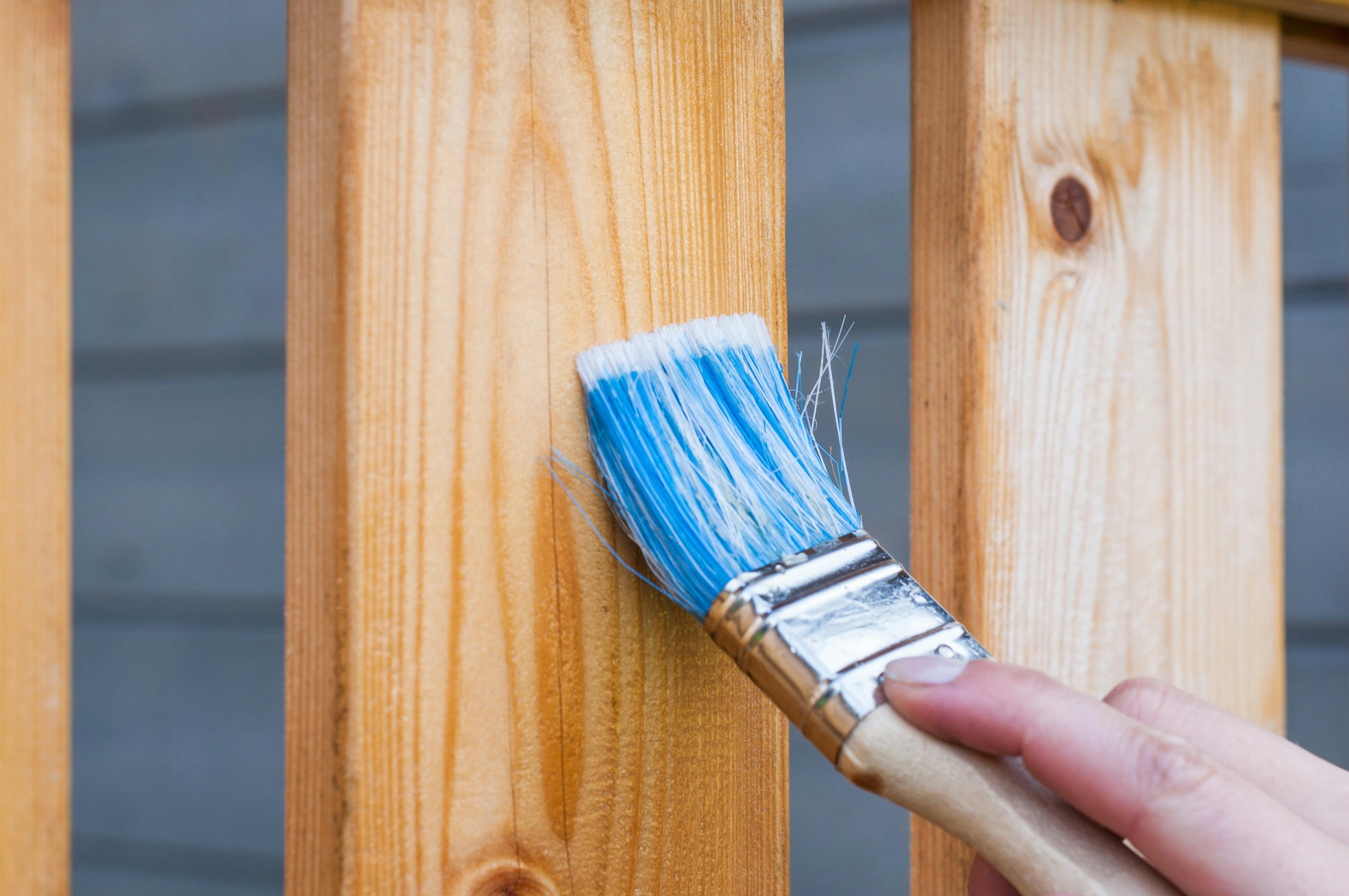
DIY (Do-It-Yourself) projects are not only a fun way to spend your free time but also an excellent opportunity to learn valuable skills. Whether you’re looking to enhance your creativity, develop technical expertise, or simply try something new, DIY projects allow you to build confidence while acquiring practical abilities. From woodworking to coding, there’s something for everyone. In this article, we’ll explore the top DIY projects that teach you new skills and provide long-term benefits.
1. Basic Woodworking and Furniture Building
Skill Learned: Carpentry, Measuring, Sanding, and Finishing
Woodworking is a practical skill that allows you to build custom furniture, home décor, and even repair household items. Starting with basic projects like building a shelf, birdhouse, or small coffee table teaches you how to measure, cut, sand, and assemble wood. You’ll also learn how to use essential tools like saws, drills, sanders, and levels. Keep in mind that you don’t need to start off with the best tools to build your first DIY project.
Why It’s Beneficial:
Woodworking enhances problem-solving skills, boosts creativity, and provides a hands-on understanding of how structures are built. Once you master basic woodworking, you can take on more complex projects, eventually saving money by building your own furniture instead of buying expensive pieces.
Project Idea:
Try building a simple wooden bookshelf. It’s a beginner-friendly project that introduces you to essential woodworking techniques and gives you a useful item for your home.

2. Home Improvement and Repairs
Skill Learned: Plumbing, Electrical Work, Painting, and Maintenance
Learning how to perform basic home repairs and improvements can save you money and prevent minor issues from turning into major problems. Simple projects like fixing a leaky faucet, replacing a light fixture, or repainting a room teach you practical skills that make you more self-sufficient.
Why It’s Beneficial:
Home improvement projects not only increase the value of your property but also build confidence in your ability to maintain your living space. Understanding the basics of plumbing, electrical systems, and drywall repair helps you troubleshoot common household issues.
Project Idea:
Start by replacing a faulty faucet or installing a new showerhead. These projects require minimal tools and teach essential plumbing skills.
3. Gardening and Composting
Skill Learned: Plant Care, Soil Management, and Sustainability
Gardening teaches you the science behind plant growth, soil composition, and climate management. By starting a small garden or maintaining indoor plants, you’ll gain knowledge of plant care and develop a deeper understanding of sustainable living. Composting adds another layer of skill, teaching you how to reduce waste and create nutrient-rich soil.
Why It’s Beneficial:
Gardening promotes patience, responsibility, and mindfulness. It also encourages healthier eating habits if you grow your own fruits and vegetables. Composting reduces waste and contributes to a more sustainable environment.
Project Idea:
Start with a small herb garden in your kitchen or a raised vegetable bed in your backyard. Combine it with composting to learn how to recycle food scraps effectively.

4. Coding and Web Development
Skill Learned: Programming, Problem-Solving, and Website Design
Learning to code opens the door to endless opportunities in the digital world. Building a personal website, creating an app, or automating tasks can teach you the basics of programming languages like HTML, CSS, JavaScript, and Python. I personally use Udemy, but similar sites like Udacity and Coursera offer courses to help you learn at your own pace. If you are looking for a more budget friendly option, you can find plenty of coding tutorials on Youtube.
Why It’s Beneficial:
Coding improves logical thinking and enhances problem-solving skills. It’s also a valuable skill in today’s job market, making it a useful investment of your time and effort.
Project Idea:
Build a personal blog or portfolio website to showcase your skills. Platforms like WordPress, Wix, or Squarespace can help you get started, but learning to customize with HTML and CSS will deepen your understanding.
5. Sewing, Knitting, and Embroidery
Skill Learned: Fabric Handling, Pattern Reading, and Design
Sewing and knitting aren’t just traditional crafts—they’re practical skills that allow you to repair clothing, create unique fashion pieces, and even make home décor. Learning how to follow patterns, choose fabrics, and operate a sewing machine teaches patience and attention to detail.
Why It’s Beneficial:
Sewing and knitting improve hand-eye coordination, boost creativity, and allow you to personalize your wardrobe or living space. Plus, repairing or altering clothes can save money in the long run.
Project Idea:
Start by sewing a simple tote bag or knitting a cozy scarf. These beginner projects build foundational skills and confidence.

6. Photography and Photo Editing
Skill Learned: Composition, Lighting, and Digital Editing
Photography is a rewarding hobby that sharpens your eye for detail and teaches you how to capture moments creatively. Learning how to use a camera, adjust lighting, and edit photos using software like Adobe Lightroom or Photoshop enhances your technical and artistic abilities.
Why It’s Beneficial:
Photography teaches patience, focus, and creativity. Whether you pursue it as a hobby or a potential career, these skills can translate into various professional opportunities, including content creation and digital marketing.
Project Idea:
Challenge yourself to a 30-day photography project, capturing a different theme or subject each day. Then, practice editing your photos to improve their quality and aesthetics.
7. Cooking and Meal Prepping
Skill Learned: Food Safety, Nutrition, and Time Management
Cooking at home is a life skill that saves money and promotes healthier eating habits. Meal prepping takes it a step further by teaching you how to plan and prepare meals efficiently. Learning how to chop, sauté, bake, and balance flavors equips you with the ability to create delicious and nutritious meals.
Why It’s Beneficial:
Cooking improves time management, encourages creativity in the kitchen, and fosters healthier lifestyle choices. Meal prepping helps reduce food waste, saves time during busy weekdays, and promotes portion control.
Project Idea:
Plan and prepare meals for an entire week using a few ideas from our other post, 5 Simple Steps to Effective Meal Prep . Try experimenting with different cuisines to expand your cooking skills and explore new flavors.

8. Graphic Design and Digital Art
Skill Learned: Visual Communication, Creativity, and Design Software
Graphic design teaches you how to communicate visually through logos, social media posts, and other digital content. Learning how to use design software like Adobe Illustrator, Canva, or Figma introduces you to concepts such as color theory, typography, and layout design.
Why It’s Beneficial:
Graphic design enhances your creativity and provides opportunities for freelance work or business branding. These skills are in high demand across various industries, making them valuable for career advancement.
Project Idea:
Create a logo or social media graphics for a personal project or a friend’s business. Experimenting with different design elements will sharpen your skills and creativity.
9. Car Maintenance and Basic Auto Repairs
Skill Learned: Mechanical Knowledge, Problem Diagnosis, and Safety
Understanding basic car maintenance can save you money and ensure your vehicle runs smoothly. Changing oil, replacing air filters, and rotating tires are simple DIY tasks that teach you about vehicle mechanics.
Why It’s Beneficial:
Car maintenance skills give you confidence and independence on the road. They also prevent costly repairs by addressing minor issues before they become major problems.
Project Idea:
Start by learning how to change your car’s oil or replace a tire. These essential skills provide a solid foundation for more advanced auto repairs.

10. DIY Home Décor and Craft Projects
Skill Learned: Creativity, Design, and Craftsmanship
DIY home décor projects allow you to personalize your living space while learning design principles and craftsmanship techniques. From creating custom wall art to refurbishing old furniture, these projects spark creativity and resourcefulness.
Why It’s Beneficial:
Home décor projects develop patience and attention to detail. They also provide a sense of accomplishment and allow you to showcase your personality in your living space.
Project Idea:
Refurbish an old piece of furniture by sanding, painting, and adding new hardware. This project teaches essential DIY techniques while giving your home a fresh look.
Final Thoughts
DIY projects offer more than just a productive way to spend your free time—they teach you practical skills that can enrich your life, boost your confidence, and even open up new career opportunities. Whether you’re building furniture, learning to code, or mastering the art of photography, each project adds to your skill set and enhances your problem-solving abilities. Start with a project that interests you and enjoy the journey of learning something new. The satisfaction of creating something with your own hands is not only rewarding but also a step toward lifelong growth.
Let us know what you want to learn more about.
Leave a Reply