
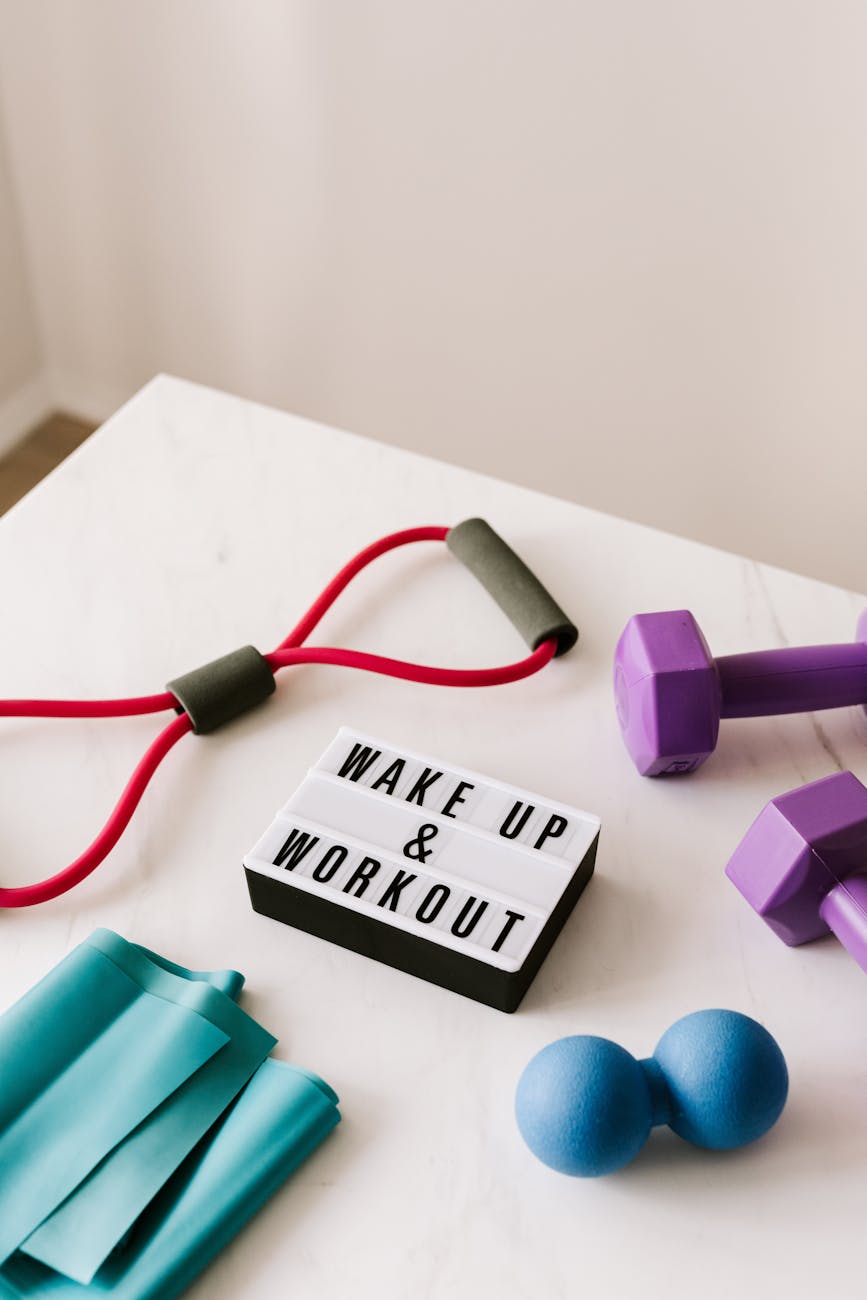
Staying consistent with exercise isn’t just about finding the perfect workout plan—it’s about cultivating deep-rooted motivation and setting meaningful, achievable goals. In this post, we’ll explore the foundational first step in any lasting fitness journey: discovering your personal “why” and creating a blueprint for success through goal setting.
Understanding Your Deeper Motivation
Before you lace up your sneakers or hit the gym, take a moment to ask yourself: Why do I want to exercise? This isn’t about surface-level answers like “I want to lose 10 pounds” or “I want to look better in photos.” Your true motivation—the one that will keep you going on tough days—often lies beneath the surface.
For some, it might be the desire to have more energy to keep up with their kids. For others, it might be about reducing stress, improving mental health, preventing chronic illness, or gaining a sense of empowerment. Your “why” should resonate with your values, your lifestyle, and your long-term well-being.
Why “Why” Matters
At the heart of every sustained effort lies a powerful motivation. Your “why” is the emotional driver behind your fitness goals. It’s the reason you push through on days you’d rather stay in bed or when your energy is low. Maybe you want to have more energy to play with your kids. Maybe you’re tired of feeling sluggish or stressed. Or perhaps you’re aiming to reduce your risk of chronic disease and build a healthier future.
Whatever it is, your “why” needs to resonate with you on a personal level. It should stir something inside you, something emotional and meaningful. Without it, workouts become a chore. With it, they become a mission.

To uncover your deeper motivation:
- Reflect on times you felt your best—what was your health like?
- Think about how exercise can positively impact other areas of your life (relationships, career, confidence).
- Ask yourself: What would improve in my life if I became more active?
- Journal or create a vision board that illustrates the future you’re working toward.
This internal clarity will act as your compass when your initial excitement wanes. Keeping your “why” visible—on a sticky note, in a journal, or as your phone background—can provide a powerful reminder of why you started in the first place. Even a simple journal, like “The Five Minute Journal” from amazon can be a good starting point to your fitness motivation.
How to Write Specific, Achievable Fitness Goals
Once your “why” is clear, the next step is turning that purpose into action through goal setting. But not all goals are created equal. Many people lose motivation because their goals are vague or unrealistic. Vague goals like “get fit” or “lose weight” are too open-ended. What does “fit” mean? How much weight? In what time frame? Specificity matters. That’s where SMART goals come in.
SMART stands for:
- Specific: Instead of saying “I want to be healthy,” say “I want to walk 30 minutes, five days a week.”
- Measurable: Add numbers or benchmarks so you can track your progress.
- Achievable: Start with goals that challenge you but are within reach. If you’re new to exercise, aiming for five workouts a week right away might be overwhelming.
- Relevant: Your goals should tie back to your “why.” If your motivation is to feel more energized, focus on movement that improves your energy levels.
- Time-bound: Give yourself a deadline. For example: “I want to run a 5K in 8 weeks.”
Here’s an example of a weak goal vs. a SMART goal:
- Weak goal: “I want to get fit.”
- SMART goal: “I want to walk 30 minutes a day, five days a week, for the next eight weeks to increase my energy and reduce stress.”
By being intentional and strategic with your goals, you’re more likely to stay focused, build momentum, and track your improvement.
Aligning Goals With Your Lifestyle
It’s important that your goals complement your current lifestyle—not fight against it. If you’re a busy parent or work long hours, a 60-minute gym session five days a week might be unrealistic. Instead, find a rhythm that fits. It might mean short, high-intensity workouts at home, or even brisk lunchtime walks.
The idea is to build fitness into your routine so it becomes sustainable. Remember, consistency beats intensity. You don’t have to go all out—you just have to keep showing up.

Tips for lifestyle alignment:
- Choose the best time of day for your workouts.
- Prep your clothes and gear the night before.
- Choose activities you actually enjoy (more on this in Step 2 of the series!).
- Keep a calendar and treat workouts like important appointments.
Using Milestones to Build Confidence
Large goals can feel overwhelming if you don’t break them into manageable chunks. That’s where milestones come in. Think of them as checkpoints on your journey—smaller victories that lead to your bigger destination.
For example:
- If your goal is to run a 5K, a milestone could be completing a full mile without stopping.
- If your goal is to work out five times a week, a milestone could be completing three weeks of consistent workouts.
- If your goal is to build strength, a milestone could be increasing your weights or mastering a new exercise.
Each milestone gives you a mini dopamine hit—a sense of progress that builds confidence, strengthens habits, and keeps you motivated. Celebrate these mini-achievements with rewards that support your journey—like new workout gear, a relaxing day off, or a healthy treat.
Turning Intention into Action
Here’s a simple action plan to put this into practice:
- Write down your “why.” Be honest and detailed.
- Create one SMART goal based on your motivation.
- Break that goal into 2–3 short-term milestones.
- Schedule your milestones in a calendar or app.
- Reflect weekly on your progress and adjust as needed.
Don’t worry if your goals evolve. Life changes, and so can your priorities. What matters most is that your goals stay meaningful to you. We will talk more about schedules and routines in step 2.

Final Thoughts
The foundation of any successful fitness routine isn’t found in the gym or a trendy workout program—it’s found in the clarity of your purpose and the structure of your goals. When you understand why you want to exercise and create a realistic plan to get there, you transform exercise from a task into a tool for personal growth.
Stay tuned for Step 2: Scheduling, Routines, and Enjoyable Activities, where we’ll talk about how to build a routine that fits your life and how to make exercise something you genuinely enjoy.
Below, you’ll find each part of the series outlined with direct links. Whether you read one post a week or dive in all at once, you’ll walk away with strategies that are easy to apply and powerful in impact.
- Discover Your Fitness Motivation: Series Home Page
- Step 2: Scheduling, Routines, and Enjoyable Activities: Discover how structure and joy can make exercise feel like something you want to do—not just something you should do.
- Step 3: Progress Tracking and Reward System: Stay motivated by measuring your wins and celebrating them with meaningful rewards.
- Step 4: Support Systems and Mindset Shifts: Build a positive environment and mental framework that helps you stay on track.
- Step 5: Overcoming Setbacks and Staying Flexible: Learn to bounce back after missed workouts or changes in routine—without the guilt.
- Step 6: Making Exercise Part of Your Identity: Align your fitness goals with your self-image to create lasting behavioral change.
- Step 7: Building a Home or On-the-Go Routine: Stay active anytime, anywhere—even without a gym membership.
- Step 8: Fueling Motivation Through Education: Understand how learning about your body and health can keep your motivation alive.
- Step 9: Using Technology and Tools to Your Advantage: Leverage the power of apps, trackers, and online communities to boost accountability.
- Step 10: Celebrating Progress and Reinventing the Journey: Reflect on how far you’ve come and refresh your approach to keep things exciting.
“Step 2: Scheduling, Routines, and Enjoyable Activities”, will be available soon. Consider subscribing to get notified whenever we publish a new post.
Leave a Reply