
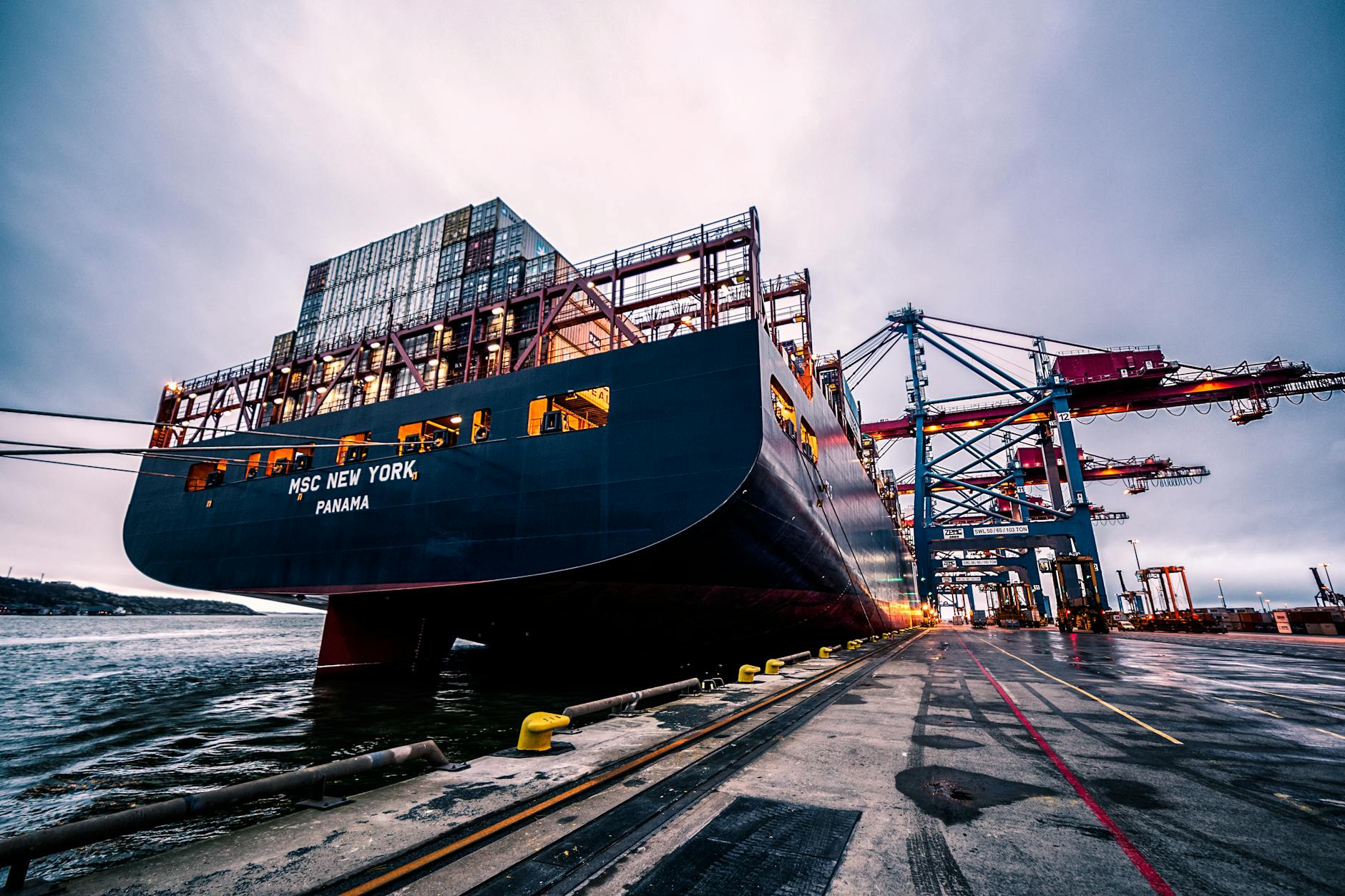
In an increasingly globalized world, nations rely on each other for goods, services, and resources. While international trade encourages cooperation and economic growth, it can also lead to conflict—especially when one country feels it is being treated unfairly. One of the most significant and impactful forms of economic conflict between countries is the trade war. But what exactly is a trade war, and how does it affect economies and everyday people?
Understanding the Concept of a Trade War
A trade war occurs when two or more countries impose tariffs or other trade barriers on each other in retaliation for perceived unfair trade practices. These measures are intended to protect domestic industries and encourage fairer trade, but they can escalate tensions and negatively impact global markets.
At the heart of a trade war is a tit-for-tat economic policy: if Country A raises tariffs on Country B’s exports, Country B may retaliate by doing the same. This back-and-forth can spiral, leading to higher costs, supply chain disruptions, and strained international relations.
The Role of Tariffs
Tariffs are taxes imposed on imported goods. When a country enacts tariffs, the price of foreign products rises, theoretically encouraging consumers to buy domestically produced alternatives. While tariffs may benefit local producers in the short term, they can also lead to unintended consequences.
In a trade war, tariffs are used not just as an economic tool but as a political weapon. Governments may use them to pressure foreign nations to change policies related to labor laws, environmental standards, intellectual property rights, or currency manipulation.
This is the basics of tariffs. If you want more details, “Understanding Tariffs, Impact on Trade and Prices” takes a deeper dive into tariffs.
Example: U.S.–China Trade War
One of the most prominent recent examples is the U.S.–China trade war, which began in 2018. The U.S. imposed tariffs on billions of dollars’ worth of Chinese goods, citing unfair trade practices and intellectual property theft. China responded with its own tariffs on American goods, particularly targeting agriculture and manufacturing.

This trade war lasted several years, affecting not only the U.S. and Chinese economies but also global markets. Recently, tensions have shown signs of increasing once again, with last week’s rise in tariffs marking a potential shift toward renewed economic strain. While the full impact remains to be seen, such developments could contribute to further uncertainty for global businesses and investors.
Causes of Trade Wars
Trade wars don’t happen overnight. They typically arise from long-standing economic grievances and political pressures. Common causes include:
1. Trade Deficits
A trade deficit occurs when a country imports more than it exports. While this isn’t inherently negative, it can become a point of political tension. A nation running a large trade deficit might accuse its trading partners of unfair practices that undermine local industries.
2. Currency Manipulation
Some countries are accused of devaluing their currency to make their exports cheaper and more attractive in foreign markets. This can create an imbalance in trade competitiveness and lead to retaliatory actions.
3. Unfair Trade Practices
These may include government subsidies to domestic industries, dumping products below market value in foreign markets, or failing to enforce intellectual property rights.
4. Political Tensions
Trade wars often reflect broader political issues. Disputes over human rights, national security, or geopolitical influence can spill over into economic policy, with trade restrictions serving as a means of expressing disapproval or exerting pressure.
Effects of a Trade War
Trade wars can have far-reaching consequences that go beyond the countries involved. Here’s a closer look at how they affect different stakeholders:
1. Consumers
When tariffs are imposed, the cost of imported goods rises. Businesses may pass these costs on to consumers, leading to higher prices and reduced purchasing power. Everyday items like electronics, clothing, and food can become more expensive during a trade war.
2. Businesses
Companies that rely on imported materials or components face increased production costs. Exporters may also struggle to compete if their goods are subject to retaliatory tariffs. This can lead to reduced profits, layoffs, or even business closures.
3. Farmers and Manufacturers
Trade wars often hit agriculture and manufacturing sectors the hardest. Farmers may lose access to key export markets, while manufacturers face higher costs for raw materials. This can result in lost revenue and economic hardship in affected communities.

4. Stock Markets
Trade uncertainty can shake investor confidence, leading to volatility in financial markets. Stocks may drop as companies revise earnings forecasts and economists adjust growth projections.
5. Global Economy
Widespread trade conflicts can drag down global economic growth. If major economies are entangled in trade wars, it can lead to a slowdown in international trade, reduced investment, and lower productivity.
Historical Examples of Trade Wars
While the U.S.–China trade war is recent, trade conflicts have occurred throughout history. One of the most infamous examples is the Smoot-Hawley Tariff Act of 1930 in the United States. Passed during the Great Depression, it raised U.S. tariffs on over 20,000 imported goods. In response, many countries retaliated with their own tariffs, leading to a collapse in international trade and worsening the global economic crisis.
This historical lesson underscores the potential dangers of trade wars when they are not carefully managed or resolved diplomatically.
Trade War vs. Trade Dispute
It’s important to distinguish between a trade war and a trade dispute. A trade dispute is a disagreement over trade practices that may be resolved through negotiation or legal channels, such as the World Trade Organization (WTO). A trade war, on the other hand, involves aggressive, retaliatory policies that escalate tensions and disrupt trade flows.
How Are Trade Wars Resolved?
Resolving a trade war usually involves diplomatic negotiations, often led by trade representatives or heads of state. Agreements may include:
- Reductions in tariffs or non-tariff barriers
- Revisions to trade agreements
- Commitments to address issues like intellectual property, subsidies, or currency practices
- Monitoring and enforcement mechanisms to ensure compliance
The goal is to reach a mutually beneficial agreement that restores normal trade relations while addressing the underlying grievances.
The Role of the World Trade Organization (WTO)
The World Trade Organization (WTO) is a global body established in 1995 to supervise and facilitate international trade between nations. It emerged from the General Agreement on Tariffs and Trade (GATT), which had governed global trade since the aftermath of World War II. The WTO’s central aim is to create a stable, rules-based environment where trade can flow as freely, fairly, and predictably as possible.
At its core, the WTO provides a multilateral platform for negotiating trade agreements, reducing trade barriers, and resolving disputes. With over 160 member countries, it covers more than 98% of global trade. When nations enter into trade agreements under WTO guidance, they agree to adhere to the organization’s established rules and protocols. This helps prevent arbitrary or discriminatory actions like unjustified tariffs, quotas, or subsidies.

One of the WTO’s most critical functions is its Dispute Settlement Mechanism (DSM). When countries believe another member has violated a trade agreement, they can file a complaint through the WTO rather than resorting to retaliatory measures. A panel of experts reviews the evidence, provides rulings, and, if necessary, authorizes countermeasures. While enforcement remains a challenge—especially when powerful economies are involved—the DSM is widely seen as one of the most effective international legal processes in existence.
In the context of trade wars, the WTO plays a crucial role in de-escalation. For example, during the U.S.-China trade conflict, both countries brought cases to the WTO, seeking resolutions within a structured, diplomatic framework. Although the process can be slow and politically complex, it offers an alternative to tit-for-tat tariffs that can spiral out of control.
However, the WTO has faced increasing criticism and strain in recent years. Some member states argue that its rules are outdated, especially in dealing with modern issues like digital trade or state-owned enterprises. Others point to its limited enforcement power, or note how larger economies have occasionally circumvented its processes. As a result, calls for reform have grown louder, emphasizing the need to strengthen and modernize the organization.
Still, despite its challenges, the WTO remains a vital institution in maintaining global economic stability. By promoting transparency, dialogue, and accountability, it helps nations navigate disputes with diplomacy rather than conflict—a mission that becomes especially crucial in times of rising trade tensions.
Can Trade Wars Ever Be Beneficial?
In theory, trade wars are intended to protect domestic industries and promote fair trade. If used strategically and resolved quickly, limited tariffs can sometimes bring about positive reforms or strengthen certain sectors.
However, prolonged trade wars typically do more harm than good. They disrupt markets, hurt consumers, and strain diplomatic relationships. Most economists argue that open, fair trade—supported by robust agreements and institutions—is more effective for long-term economic growth.
Final Thoughts
Trade wars are complex economic conflicts that can have significant ripple effects across the globe. While they may be used to address legitimate concerns about unfair trade practices, the consequences often outweigh the benefits. Higher costs, market instability, and global tension are just some of the many outcomes of prolonged trade wars.
Understanding what a trade war is—and the risks it poses—is essential for anyone interested in global economics, politics, or even just the prices they pay at the store. As the global economy continues to evolve, the ability of nations to resolve trade conflicts diplomatically will remain crucial to sustaining peace, growth, and prosperity.
Leave a Reply